

In the dynamic world of printing and packaging, the choice of equipment can significantly impact the quality and efficiency of production processes. One such crucial piece of machinery is the semi - auto flute laminator. As a supplier of semi - auto flute laminators, I often encounter the question: Can a semi - auto flute laminator be used for laminating printed materials? This blog aims to provide a comprehensive answer to this question, exploring the capabilities, advantages, and limitations of semi - auto flute laminators in the context of laminating printed materials.
Understanding Semi - Auto Flute Laminators
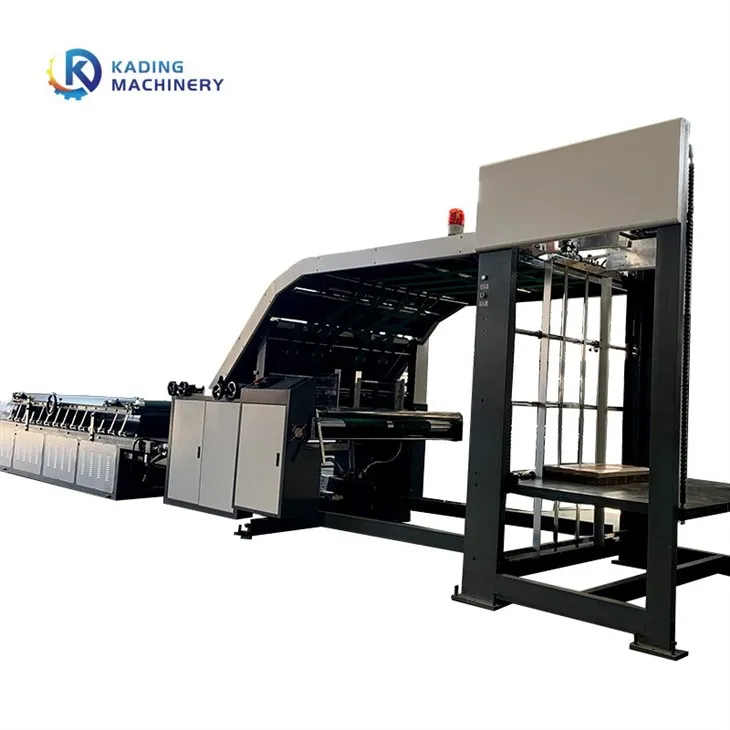
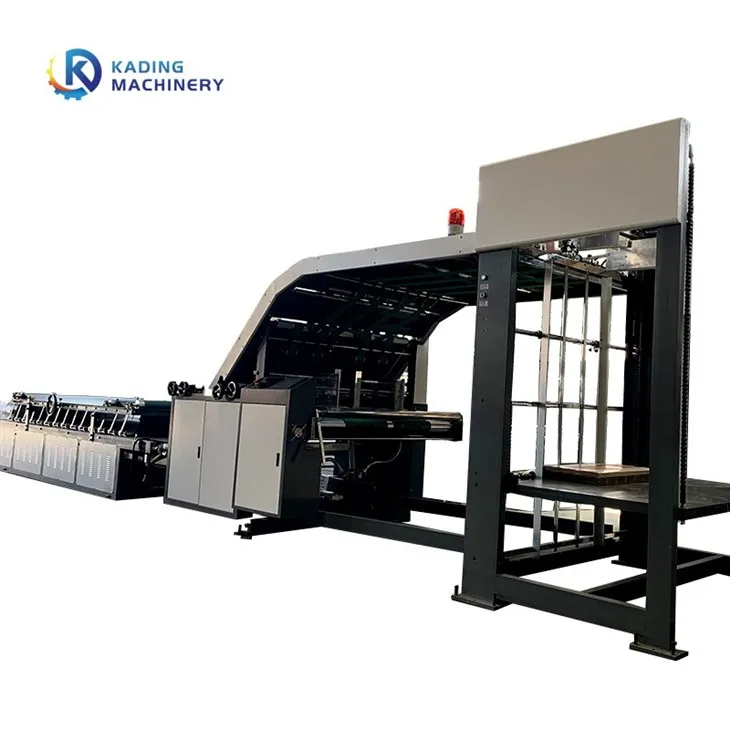
Before delving into their suitability for printed materials, it's essential to understand what semi - auto flute laminators are. These machines are designed to laminate corrugated cardboard or paperboard with a liner, which can be plain or printed. The "semi - auto" aspect means that some parts of the process, such as loading the materials, may require manual intervention, while the lamination itself is automated.
Semi - auto flute laminators come in various types, each with its own set of features and functions. For instance, the Corrugated Cardboard Semi Automatic Flute Laminator Machine with Paper Lift is equipped with a paper lift mechanism, which can facilitate the feeding of materials. The High Platform Suction Belt Feeding Semi Auto Flute Laminator uses a suction belt to ensure precise and stable feeding of the materials. And the Semi Automatic Cardboard High Platform Flute Laminator Machine offers a high - platform design for enhanced operator convenience.
Can Semi - Auto Flute Laminators be Used for Laminating Printed Materials?
The short answer is yes, semi - auto flute laminators can be used for laminating printed materials. Here are some reasons why:
1. Compatibility with Different Inks and Printing Processes
Most modern semi - auto flute laminators are designed to be compatible with a wide range of inks and printing processes. Whether the printed materials are produced using offset printing, digital printing, or flexographic printing, these laminators can handle them. The key lies in the ability of the laminator to apply the adhesive evenly without smudging or damaging the printed surface.
For example, if the printed material has a high - resolution image or text, the laminator needs to ensure that the pressure and temperature during the lamination process are carefully controlled to prevent any distortion or bleeding of the ink. Many semi - auto flute laminators on the market today are equipped with advanced control systems that can precisely regulate these parameters, making them suitable for laminating high - quality printed materials.
2. Protection of Printed Surfaces
Laminating printed materials with a semi - auto flute laminator can provide an extra layer of protection. The laminated layer acts as a barrier against scratches, abrasions, moisture, and UV light. This is particularly important for printed materials that are intended for long - term use or exposure to harsh environments.
For instance, in the packaging industry, laminated printed boxes can better withstand the rigors of transportation and storage, ensuring that the printed branding and product information remain intact and visible. In the promotional materials sector, laminated brochures and flyers look more professional and durable, enhancing their overall appeal.
3. Enhancement of Aesthetics
Lamination can also enhance the aesthetics of printed materials. It can give the printed surface a glossy or matte finish, depending on the type of laminating film used. A glossy finish can make colors appear more vibrant and eye - catching, while a matte finish can provide a more sophisticated and elegant look.
This aesthetic enhancement can be a significant advantage for businesses looking to make their printed materials stand out from the competition. For example, a laminated product catalog with a glossy finish can attract more attention from potential customers, increasing the likelihood of sales.
Advantages of Using Semi - Auto Flute Laminators for Printed Materials
1. Cost - Effectiveness
Semi - auto flute laminators offer a cost - effective solution for laminating printed materials, especially for small to medium - sized businesses. Compared to fully automatic laminators, semi - auto models are generally more affordable in terms of initial investment. Additionally, the semi - automatic operation allows for better control over the production process, reducing waste and saving on materials and labor costs.
2. Flexibility
These laminators provide a high degree of flexibility. They can handle a variety of printed materials in different sizes and thicknesses. Whether it's a small - sized business card or a large - format poster, a semi - auto flute laminator can be adjusted to accommodate the specific requirements of the job. This flexibility makes them suitable for a wide range of applications in the printing and packaging industry.
3. Ease of Use
Semi - auto flute laminators are relatively easy to operate. With proper training, operators can quickly learn how to load the materials, adjust the settings, and start the lamination process. This ease of use not only reduces the need for highly skilled labor but also allows for faster setup and changeover between different jobs, increasing overall productivity.
Limitations and Considerations
While semi - auto flute laminators offer many advantages for laminating printed materials, there are also some limitations and considerations to keep in mind.
1. Production Speed
Compared to fully automatic laminators, semi - auto models generally have a lower production speed. Since some parts of the process require manual intervention, such as loading the materials, the overall throughput is limited. This may not be suitable for large - scale production runs where high - speed output is required.
2. Quality Consistency
Achieving consistent quality can be more challenging with semi - auto flute laminators. The manual loading of materials can introduce some variability in the lamination process, which may affect the quality of the final product. To ensure consistent quality, operators need to be well - trained and follow strict operating procedures.
3. Material Compatibility
Although semi - auto flute laminators are compatible with a wide range of printed materials, there may be some limitations. For example, very thin or fragile printed materials may require special handling to prevent damage during the lamination process. Additionally, some types of inks or coatings may not be fully compatible with certain laminating adhesives, which can lead to adhesion problems or other quality issues.
Conclusion
In conclusion, semi - auto flute laminators can indeed be used for laminating printed materials. They offer a cost - effective, flexible, and relatively easy - to - use solution for businesses looking to protect and enhance the appearance of their printed products. However, it's important to consider the limitations, such as production speed and quality consistency, and choose the right laminator based on the specific requirements of the job.
If you are interested in learning more about our semi - auto flute laminators or have any questions regarding the lamination of printed materials, we invite you to contact us for a detailed discussion. Our team of experts is ready to assist you in finding the most suitable solution for your needs.
References
- Packaging Machinery Handbook, 3rd Edition
- Printing and Laminating Technologies: Best Practices and Innovations


