

In the packaging industry, pressure box folder gluers play a crucial role in the production of high - quality boxes. One of the key concerns for businesses using these machines is the glue consumption. As a supplier of pressure box folder gluers, I am often asked about this aspect. In this blog, I will delve into the factors that influence the glue consumption of a pressure box folder gluer and provide some insights to help you optimize this important parameter.
Understanding the Basics of Glue Consumption in Pressure Box Folder Gluers
Glue consumption in a pressure box folder gluer refers to the amount of glue used to bond the various parts of a box together during the folding and gluing process. It is typically measured in grams per square meter or liters per hour, depending on the type of glue and the way it is dispensed.
The glue is an essential component in the box - making process. It ensures that the box maintains its shape, integrity, and strength. However, excessive glue consumption can lead to increased production costs, longer drying times, and potential quality issues such as glue seepage. On the other hand, insufficient glue may result in weak bonds and a higher risk of box failure.
Factors Affecting Glue Consumption
1. Box Design
The design of the box has a significant impact on glue consumption. Boxes with complex shapes, multiple folds, or large bonding areas will generally require more glue. For example, a box with a tuck - in flap may need less glue compared to a box with a self - locking or glued - shut flap. The number of glue joints and the length of the bonding edges also contribute to the overall glue usage.
2. Glue Type
Different types of glue have different viscosities, solid contents, and bonding strengths. Water - based adhesives are commonly used in pressure box folder gluers due to their environmental friendliness and ease of use. However, their glue consumption can vary depending on their formulation. For instance, a high - solids water - based glue may require less volume to achieve the same bond strength as a low - solids glue. Solvent - based and hot - melt adhesives are also used in some applications, and their consumption patterns are different from water - based glues.
3. Machine Settings
The settings of the pressure box folder gluer play a crucial role in determining glue consumption. The speed of the machine, the pressure applied during the gluing process, and the width and thickness of the glue application all affect how much glue is used. A faster machine speed may require more glue to ensure proper bonding, while incorrect pressure settings can lead to uneven glue distribution and increased consumption.
4. Material Quality
The quality of the box material, such as the type of paperboard or corrugated board, can influence glue consumption. Porous materials tend to absorb more glue, while smooth and coated materials may require less. Additionally, the moisture content of the material can affect the glue's performance and consumption. High - moisture materials may need more glue to achieve a strong bond, as the excess moisture can dilute the glue.

Measuring and Controlling Glue Consumption
Measuring Glue Consumption
To measure glue consumption accurately, you can use several methods. One common approach is to weigh the glue container before and after a production run and calculate the difference. Another method is to use flow meters installed in the glue dispensing system. These meters can provide real - time data on the amount of glue being used.
Controlling Glue Consumption
Controlling glue consumption is essential for cost - effective production. Here are some strategies:
- Optimize Box Design: Work with your design team to simplify box designs without compromising functionality. Minimize the number of folds and bonding areas where possible.
- Choose the Right Glue: Select a glue that is suitable for your box material and production requirements. Consider factors such as viscosity, solid content, and drying time.
- Adjust Machine Settings: Regularly calibrate and adjust the machine settings to ensure optimal glue application. This may involve adjusting the glue pump speed, the pressure rollers, and the glue nozzles.
- Quality Control: Conduct regular quality checks to ensure that the glue is being applied evenly and that the bonds are strong. This can help identify and correct any issues that may be causing excessive glue consumption.
Our Pressure Box Folder Gluers and Glue Consumption
As a supplier of pressure box folder gluers, we understand the importance of minimizing glue consumption. Our machines are designed with advanced features to ensure precise glue application and efficient use of glue.
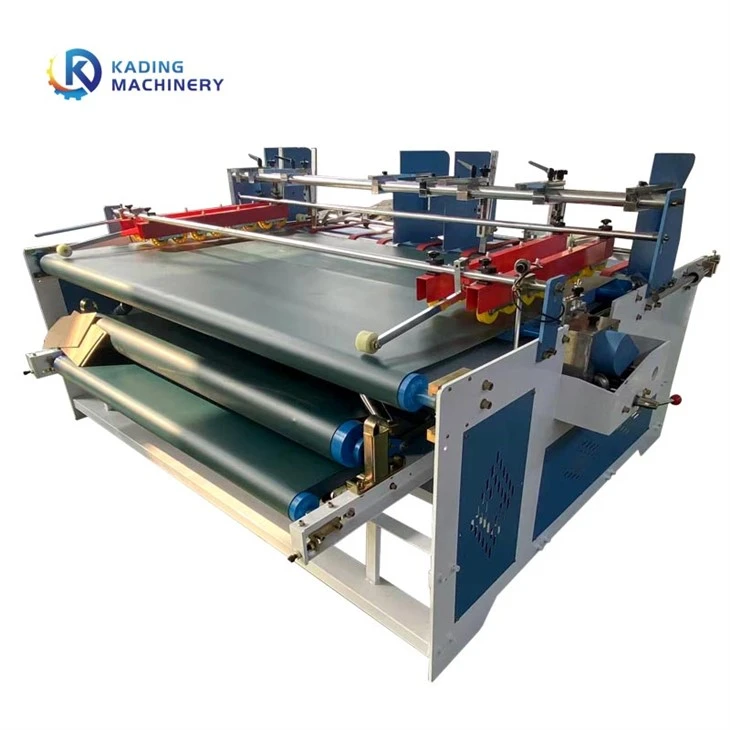
Our Double Pasting Heads Carton Folding Gluing Machine for Corrugated Boxes is equipped with adjustable glue dispensing systems that allow you to control the width and thickness of the glue application. This ensures that the right amount of glue is used for each box, reducing waste and saving costs.
The Pressure Type Semi Auto Corrugated Box Gluing Machine offers consistent pressure during the gluing process, which helps to distribute the glue evenly and minimize consumption. It also has a user - friendly control panel that allows you to adjust the machine settings easily.
Our Semi Automatic Pressure Type Folding Gluing Machine is designed for high - speed production while maintaining low glue consumption. It uses advanced technology to ensure that the glue is applied precisely to the bonding areas, resulting in strong and reliable bonds.
Conclusion
Glue consumption is a critical factor in the operation of pressure box folder gluers. By understanding the factors that affect glue consumption and implementing effective measurement and control strategies, you can optimize your production process, reduce costs, and improve the quality of your boxes.
As a pressure box folder gluer supplier, we are committed to providing you with high - quality machines that are designed to minimize glue consumption. If you are interested in learning more about our products or have any questions regarding glue consumption, please feel free to contact us for a detailed discussion. We look forward to working with you to meet your packaging needs.
References
- Packaging Machinery Handbook, 3rd Edition
- Adhesives and Sealants Technology: Chemistry and Applications


